
ADHD, or Attention-Deficit/Hyperactivity Disorder, affects millions of individuals worldwide, challenging their ability to focus, regulate impulses, and stay organized. While traditional approaches like medication and therapy remain critical tools in managing ADHD symptoms, growing interest has emerged around neurofeedback as a non-pharmacological treatment option.
But what exactly is neurofeedback? Can it help with ADHD symptoms? And how does it stack up against medications? This guide provides an in-depth exploration of neurofeedback for ADHD, from how it works to its benefits, scientific backing, and practical insights to help you decide if it’s a suitable option for you or your patients.
How Neurofeedback Works
Understanding Neurofeedback
Neurofeedback, also known as EEG biofeedback, is a brain-training technique designed to improve brain function. It operates on the principle of neuroplasticity, the brain’s ability to reorganize and create new neural pathways in response to experiences and stimuli.
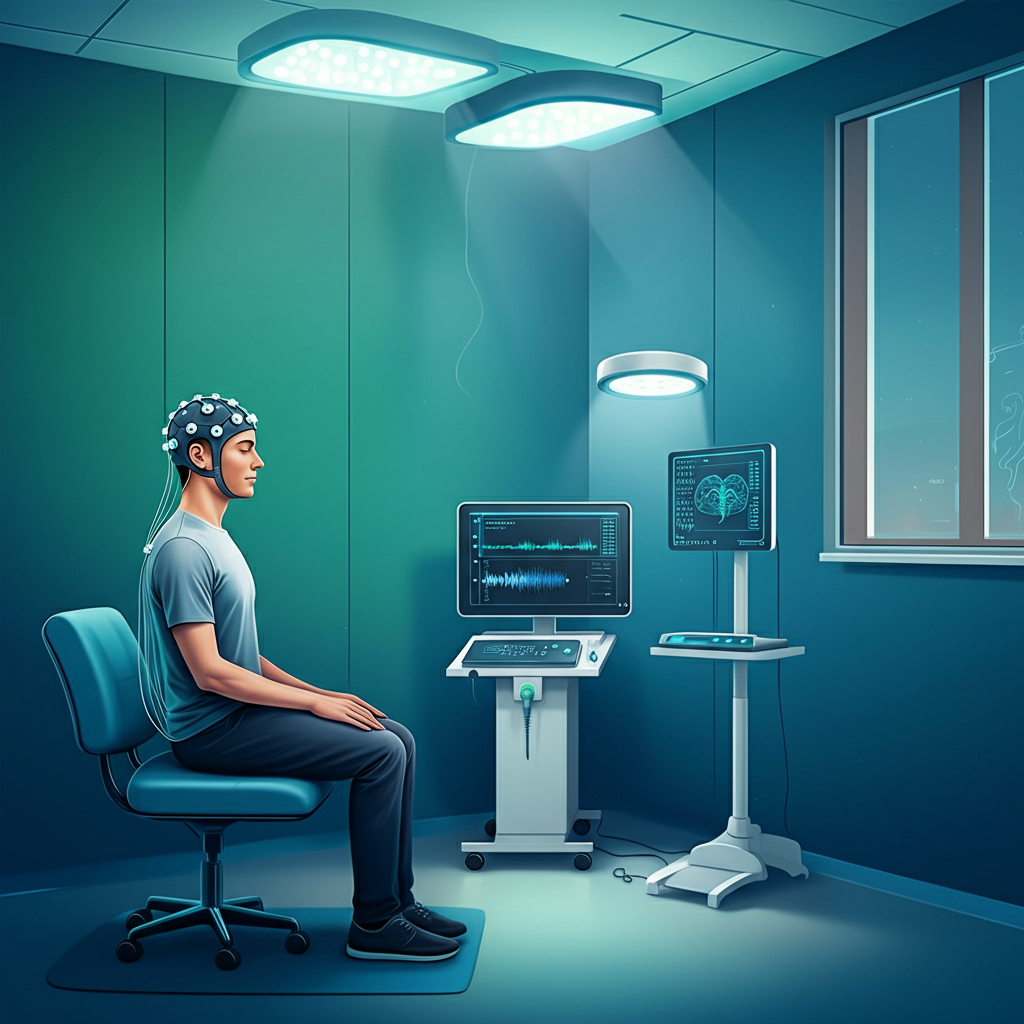
Through this method, individuals learn to self-regulate brain activity by receiving real-time feedback about their brainwaves. This feedback is provided via non-invasive EEG sensors placed on the scalp, which visualize brainwave patterns. Think of it as training your brain the way you’d train a muscle at the gym.
Brainwave Activity and ADHD Symptoms
People with ADHD often exhibit atypical brainwave patterns. For instance, they may have an excess of theta brainwaves (associated with daydreaming) and a shortage of beta brainwaves (linked to focus and alertness). These imbalances can lead to difficulties with attention, impulsivity, and hyperactivity.
Neurofeedback aims to address these irregularities by teaching the brain to produce more optimal brainwave patterns, helping reduce ADHD symptoms over time.
The Neurofeedback Process
Here’s what a typical neurofeedback training program looks like:
- Initial Assessment
Practitioners begin with a Quantitative EEG (qEEG) to map the individual’s brain activity and identify imbalances that may contribute to ADHD symptoms.
- Training Sessions
During each session, the individual wears EEG sensors connected to a computer. They engage in activities (e.g., watching a movie or playing a video game), receiving auditory or visual feedback when their brain produces desired brainwave patterns.
- Gradual Progress
Over multiple sessions, the brain gradually learns to self-regulate, leading to improvements in attention, focus, and impulse control.
Key Neurofeedback Protocols for ADHD
There are several neurofeedback protocols tailored to address ADHD symptoms. Here are the most commonly used ones:
1. SMR (Sensorimotor Rhythm) Training
- What It Is: This protocol targets SMR brainwaves, which are associated with calm focus and physical stillness.
- Benefits: Helps reduce hyperactivity and impulsivity while enhancing concentration.
2. Theta/Beta Training
- What It Is: Focuses on reducing excessive theta activity and increasing beta brainwaves linked to attention.
- Benefits: Improves sustained attention, focus, and information processing.
3. Alpha Training
- What It Is: Designed to balance alpha waves, which play a role in relaxation and clear thinking.
- Benefits: Useful for managing emotional regulation and reducing anxiety, which often coexists with ADHD.
These protocols are often combined or personalized based on the individual’s unique brainwave profile and symptoms.
Scientific Evidence and Case Studies
Research Supporting Neurofeedback for ADHD
Numerous studies have demonstrated the efficacy of neurofeedback for managing ADHD symptoms:
- A 2014 meta-analysis published in European Child & Adolescent Psychiatry found that neurofeedback significantly reduces inattention and hyperactivity in children and adolescents.
- A 2021 study in Frontiers in Human Neuroscience revealed that neurofeedback led to sustained improvements in attention and executive functioning, even after training sessions ended.
Case Studies
- Emma, a College Student with ADHD
After 20 neurofeedback sessions focusing on theta/beta training, Emma reported improved focus during lectures and fewer symptoms of procrastination.
- James, a Parent Managing Hyperactive Behavior
James noticed his son exhibited less impulsivity and better emotional control after undergoing SMR training for 12 weeks.
These real-life examples underscore how neurofeedback can complement traditional ADHD treatments.
Neurofeedback vs. ADHD Medications
Key Differences
- Mechanism of Action:
-
- Neurofeedback trains the brain to self-regulate, optimizing brainwave behavior without altering brain chemistry.
- Medications like stimulants (e.g., Adderall or Ritalin) work by increasing dopamine and norepinephrine levels.
- Side Effects:
-
- Neurofeedback is non-invasive and virtually free of side effects.
- Medications can cause insomnia, appetite suppression, mood changes, and dependency risks.
Pros and Cons
|
Neurofeedback |
ADHD Medications |
|---|---|
|
Non-invasive and drug-free |
Fast relief for many individuals |
|
Requires time and commitment |
May cause side effects |
|
Long-term benefits |
May require ongoing use |
When to Choose Neurofeedback
Neurofeedback might be a preferred option for individuals who:
- Are seeking a non-pharmacological approach.
- Struggle with medication side effects.
- Want to achieve long-term symptom management.
Finding Qualified Neurofeedback Practitioners
When exploring neurofeedback, it’s essential to work with reputable practitioners. Here’s how to find the right fit:
- Look for Certification
Choose providers certified by organizations like the Biofeedback Certification International Alliance (BCIA).
- Check Experience
Ensure they have experience working with ADHD patients and using evidence-based protocols like SMR or theta/beta training.
- Ask About Assessments
The practitioner should offer a qEEG assessment to develop a tailored treatment plan.
- Read Reviews and Testimonials
Look for feedback from other clients who have experienced results with the practitioner.
Why Neurofeedback Could Work for You
If you’re ready to explore an ADHD treatment option that’s non-invasive, grounded in science, and designed to produce lasting results, neurofeedback might be worth considering.
By improving brain self-regulation, neurofeedback can help manage symptoms like inattention, impulsivity, and hyperactivity, empowering individuals to thrive in their personal and professional lives.
To find out more about how neurofeedback can help you or book an assessment, reach out to a qualified practitioner today. Taking that first step could transform the way you experience ADHD.