
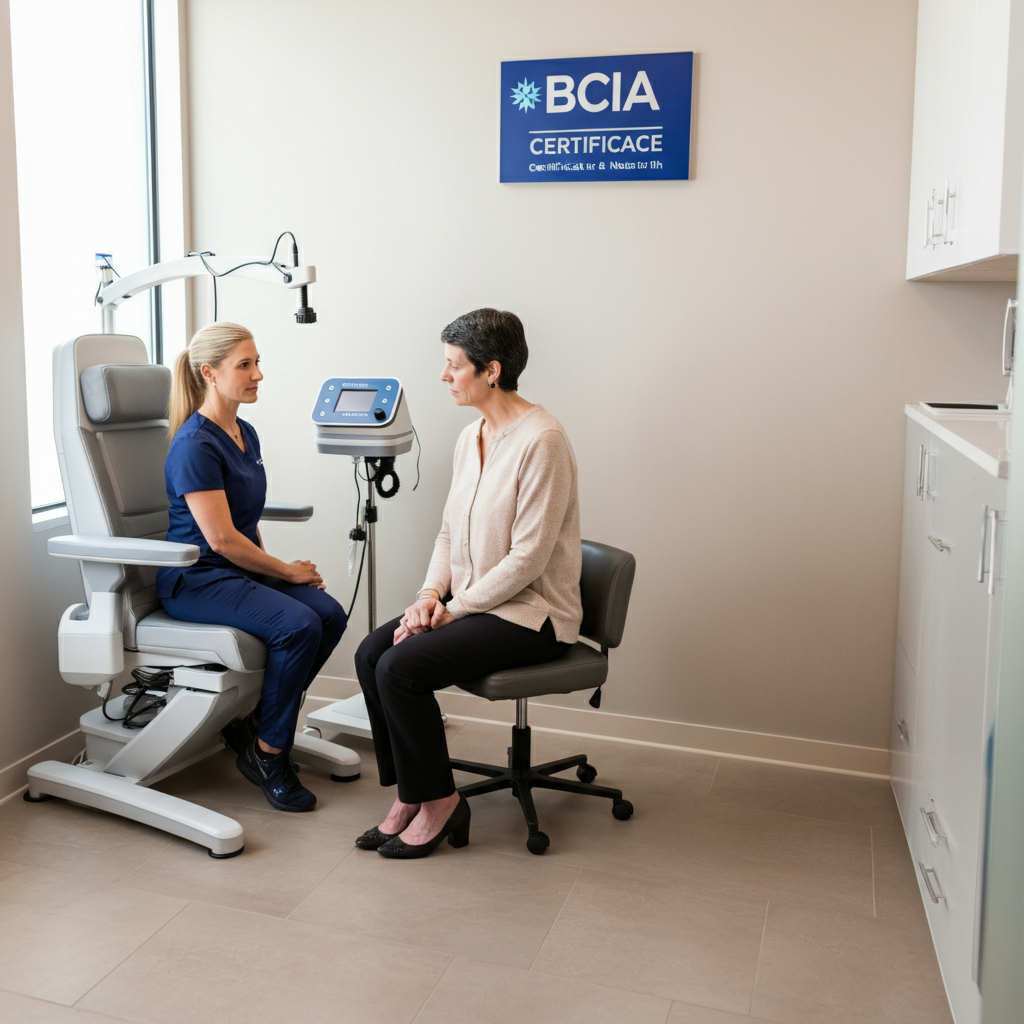
Neurofeedback therapy has gained significant traction for helping individuals manage anxiety, ADHD, and a host of other conditions. It offers a non-invasive, scientific approach to improving brain function by training your mind to self-regulate. However, this advanced therapy requires professional guidance to ensure safety and effectiveness.
If you’re seeking the benefits of neurofeedback, finding the right practitioner is a critical first step. This post will guide you through understanding neurofeedback, why practitioner qualifications matter, and how to make an informed decision.
What is Neurofeedback and How Does it Work?
Neurofeedback, a type of biofeedback, is a process that helps individuals train their brainwaves. Using real-time monitoring, practitioners observe brain activity via EEG (electroencephalogram) readings and provide feedback to help you optimize those patterns.
For example, during a neurofeedback session, you might watch a screen or play a game controlled by your brainwaves. When your brain functions in a desired pattern, the screen rewards you (such as through visual or audio prompts). Over time, your brain learns to replicate healthier patterns, improving cognitive or emotional function. Whether you’re managing anxiety, focusing through ADHD, or recovering from trauma, neurofeedback has proven to be an effective complementary treatment.
That said, its sophistication also brings intricacies. Without proper guidance, results can be inconsistent, counterproductive, or even harmful.
What is the Cost of Neurofeedback Therapy?
The cost of neurofeedback therapy can vary widely depending on location, provider, and the specific technology used. Here’s a general breakdown:
💰 Average Cost Per Session
-
$100 to $250 USD per session is typical.
-
Initial assessments or brain mapping (QEEG) may cost $200 to $500.
📅 Total Cost Over Time
-
Most treatment plans recommend 20 to 40 sessions, which means:
-
Total cost = $2,000 to $10,000+
-
🏥 Insurance Coverage
-
Neurofeedback is often not covered by insurance in many countries, especially for non-ADHD or non-PTSD use.
-
Some plans may partially reimburse if coded as biofeedback or used for a medically recognized condition (e.g., epilepsy, ADHD).
🔁 Packages or Discounts
-
Clinics may offer bundled packages (e.g., 10 sessions for a reduced rate).
-
Some providers also offer sliding-scale fees based on income.
Why Choosing a Qualified Practitioner is Essential
Not all neurofeedback practitioners are created equal. A qualified expert brings a deep understanding of EEG data, individualized treatment protocols, and how to adjust therapies for specific cases. Choosing someone unqualified may lead to:
- Incorrect EEG interpretations, which result in ineffective or inappropriate feedback.
- Risk of worsening symptoms or side effects, such as headaches or increased anxiety.
- Wasted time and financial resources on therapy sessions that won’t deliver results.
Neurofeedback is not a “one-size-fits-all” therapy. Your brain’s unique patterns require a trained professional to customize your treatment plan and adjust it as necessary.
Certifications to Look For in a Neurofeedback Practitioner
When researching practitioners, prioritizing certifications and credentials is crucial. Here are the main qualifications to look for:
BCIA Certification
The Biofeedback Certification International Alliance (BCIA) is the most recognized credential in neurofeedback. A BCIA-certified practitioner has completed rigorous educational and training requirements, including:
- Coursework in neuroscience, psychology, and neurofeedback-specific studies.
- Supervised clinical training.
- Passing a comprehensive written exam.
Additionally, BCIA certification holders must maintain their credentials through continuing education. This ensures they stay informed about the latest advancements in neurofeedback therapy.
Licensed Clinical Professional
Many reputable neurofeedback practitioners hold licenses in related fields, such as psychology, counseling, or medical professions. These credentials ensure they have the baseline expertise to treat mental health or other brain-related conditions alongside neurofeedback therapy.
Experience with Specific Conditions
If you’re seeking treatment for anxiety, ADHD, or another condition, look for practitioners with specific experience in that area. A neurofeedback expert knowledgeable about your symptoms is more likely to develop an effective treatment plan.
Questions to Ask Potential Practitioners
Interviewing practitioners is an important step in the process. Here’s a checklist of questions to help evaluate their qualifications and approach:
- What certifications do you hold?
Ensure they have BCIA certification or other relevant credentials.
- How many patients have you treated using neurofeedback?
Experience matters. Look for practitioners with a track record of successful therapies.
- What conditions do you specialize in treating?
If you’re seeking help for a specific condition, their specialization matters.
- How do you customize neurofeedback treatment plans?
This will help you understand their approach to individualized care.
- What technology do you use?
High-quality equipment and software are critical for accurate assessments and effective therapy.
- What should I expect during a typical session?
Understanding the process can help you feel more comfortable and informed.
- Are there any risks or side effects?
While neurofeedback is generally safe, it’s essential to understand potential risks.
- Do you offer ongoing evaluations to track progress?
Regular checks ensure the therapy remains effective and adjusted according to your needs.
Additional Factors to Consider
Beyond qualifications and experience, other elements significantly contribute to your overall experience and results:
Communication Style
The ability to explain complex concepts in a clear, understandable way is crucial. You should feel comfortable asking questions and voicing concerns.
Clinic Environment
A professional, welcoming clinic environment reflects the practitioner’s commitment to high-quality care. Ensure the space feels clean, organized, and equipped with up-to-date technology.
Technology
Modern neurofeedback practices often use advanced tools for brainwave measurements and analysis. Ask about the types of systems they use and whether they’re validated by research.
Cost Transparency
Neurofeedback therapy is often a financial investment. Look for clarity on costs, session packages, and payment plans to ensure the service aligns with your budget.
Resources for Finding Practitioners
Not sure where to start your search? Here are some trusted resources to help you find a qualified practitioner:
NeuroHub Neurofeedback Directory
- BCIA Directory
The BCIA offers a directory of certified practitioners worldwide, allowing you to filter by location and specialization.
- AAPB (Association for Applied Psychophysiology and Biofeedback)
AAPB lists biofeedback and neurofeedback practitioners with professional affiliations.
- ISNR (International Society for Neuroregulation & Research)
ISNR provides resources for finding qualified practitioners and information about the field of neurofeedback.
- Local Referrals
Ask your physician, psychologist, or other healthcare providers for practitioner recommendations.
Make an Informed Decision for Better Results
Choosing the right neurofeedback practitioner can make all the difference in your therapy outcomes. By prioritizing qualifications, asking insightful questions, and considering additional factors like communication and technology, you can confidently select a professional who meets your needs.
Remember, your brain’s health is worth the effort of thoughtful consideration. If you’re ready to start your neurofeedback therapy with an expert, check out the resources above or consult with a healthcare provider for recommendations. Your path to improved well-being starts with the right guidance.