
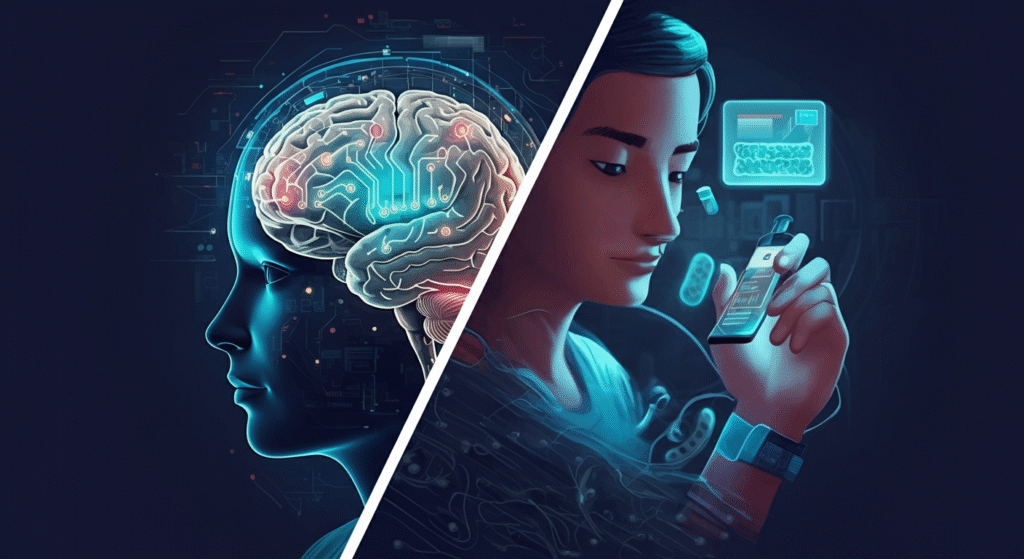
Are you overwhelmed by all the buzz around cognitive enhancement and DIY biology? You’re not alone. While both neurohacking and biohacking aim to optimize your human potential, they target different aspects of your biology. Neurohacking specifically focuses on enhancing your brain function and mental capabilities, while biohacking encompasses a broader approach to upgrading your entire biological system.
Before you investigate either practice, it’s necessary to understand that these methods can carry significant risks if not approached with proper knowledge and caution. Your journey into human optimization starts with knowing exactly how these two distinct but related fields can serve your self-improvement goals.
TLDR:
Key Differences Between Neurohacking and Biohacking
Keep in mind that while neurohacking and biohacking share some common ground in their pursuit of human optimization, they represent distinct approaches to enhancement. Neurohacking specifically targets your brain and nervous system, while biohacking encompasses a broader spectrum of biological modifications. These differences become particularly important when you’re deciding which approach aligns better with your personal enhancement goals.
Understanding Neurohacking
While your brain’s potential remains largely untapped, neurohacking emerges as a systematic approach to optimizing your cognitive function. This field combines neuroscience, technology, and self-experimentation to enhance your mental capabilities, focusing on everything from memory improvement to emotional regulation. The practice has gained significant traction, with a reported 25% increase in cognitive enhancement enthusiasts over the past five years.
Definition and Overview
If you’re looking to understand neurohacking, think of it as your personal cognitive enhancement toolkit. At its core, neurohacking involves deliberate interventions to improve your brain’s performance, ranging from non-invasive techniques like meditation and neurofeedback to more advanced methods involving nootropics and electromagnetic stimulation. Studies show that dedicated neurohackers report up to 40% improvement in their cognitive performance metrics.
Core Techniques and Methods
There’s a wide spectrum of neurohacking techniques available for your cognitive enhancement journey. These include neurofeedback training, which can increase your focus by up to 30%, transcranial direct current stimulation (tDCS), and various nootropic supplements. The methods range from basic lifestyle modifications to more advanced technological interventions, each targeting specific aspects of your brain function.
Overview of the most common neurohacking approaches includes meditation practices, which can reduce your stress levels by up to 40%, sleep optimization protocols, and cognitive training exercises. Advanced techniques might involve EEG monitoring, brain-computer interfaces, and personalized nootropic stacks, though these require careful consideration and often professional guidance.
Historical Evolution and Influence
With roots dating back to ancient practices of cognitive enhancement, modern neurohacking has evolved significantly since the 1960s when researchers first began exploring systematic approaches to brain optimization. The field has experienced exponential growth, with a 300% increase in research publications related to cognitive enhancement over the past decade.
Methods of neurohacking have transformed from simple meditation techniques to sophisticated technological interventions. Today’s approaches incorporate cutting-edge neuroscience research, artificial intelligence, and personalized medicine, allowing you to target specific cognitive functions with unprecedented precision. The field continues to expand, with new technologies emerging yearly and an estimated market value exceeding $3 billion globally.
Understanding Biohacking
There’s a growing movement of individuals taking control of their biology through systematic self-experimentation and lifestyle modifications. Biohacking represents a convergence of biology, technology, and self-optimization, where you become both the scientist and the subject. This DIY biology approach encompasses everything from basic dietary changes to more advanced interventions like genetic experimentation, all aimed at enhancing your physical and mental performance.
Definition and Overview
If you’re new to biohacking, think of it as a systems approach to managing your own biology. At its core, biohacking involves making deliberate changes to your internal and external environment to optimize your body’s performance. You’re importantly treating your body like a laboratory, where every input – from food to light exposure – becomes a variable you can adjust to achieve desired outcomes.
Common Practices and Innovations
Assuming you’re interested in starting your biohacking journey, you’ll find that practices range from basic to advanced interventions. Common approaches include intermittent fasting, cold therapy, and sleep optimization, while more advanced techniques might involve nootropics or microbiome modifications. You can begin with simple interventions like tracking your sleep patterns or experimenting with different dietary protocols to understand how your body responds.
It’s worth noting that the biohacking landscape continues to evolve with emerging technologies. You now have access to tools like continuous glucose monitors, DNA testing kits, and advanced wearables that provide real-time data about your body’s performance. These innovations allow you to make more informed decisions about your health interventions and track their effectiveness with unprecedented precision.
Historical Development and Key Figures
If you look back at biohacking’s evolution, you’ll see its roots in the 1960s DIY biology movement, though it truly gained momentum in the early 2000s with the advent of personal tracking devices and genetic testing. Key figures like Dave Asprey, who popularized Bulletproof Coffee, and Peter Diamandis, founder of Human Longevity Inc., have significantly influenced the field’s development. These pioneers have helped transform biohacking from a fringe movement into a mainstream approach to personal optimization.
Another significant aspect of biohacking’s history is the emergence of community labs and maker spaces. You can trace how these collaborative environments have fostered innovation and knowledge sharing, leading to breakthrough developments in areas like CRISPR gene editing and synthetic biology. The democratization of these technologies has enabled thousands of individuals to participate in biological experimentation, though it’s important to note that some practices may carry significant health and safety risks if not approached with proper knowledge and caution.
Types of Neurohacking
Unlike traditional approaches to brain optimization, neurohacking encompasses various methods and techniques aimed at enhancing your cognitive function and mental wellbeing. These approaches range from non-invasive practices to advanced technological interventions. Recognizing the diverse nature of neurohacking can help you choose the most suitable methods for your goals.
| Method | Benefits |
|---|---|
| Nootropics | Enhanced focus, memory, and mental clarity |
| Neurofeedback | Improved brain wave patterns and emotional regulation |
| Meditation | Stress reduction and cognitive flexibility |
| Brain stimulation | Enhanced learning and neuroplasticity |
| Sleep optimization | Better memory consolidation and mental recovery |
Cognitive Enhancement Hacks
If you’re looking to optimize your mental performance, cognitive enhancement techniques offer numerous possibilities. These methods include the use of nootropics, specialized nutrition protocols, and brain training exercises that can help improve your memory, focus, and processing speed by up to 20%.
Your cognitive enhancement journey might involve combining different approaches, from supplementation to lifestyle modifications. Research shows that consistent practice of these techniques can lead to measurable improvements in cognitive function within 8-12 weeks.
Mental Health Interventions
Some of the most effective neurohacking approaches focus on mental health optimization. These interventions include mindfulness practices, neurofeedback training, and targeted supplementation protocols that can help reduce anxiety levels by up to 30% and improve mood regulation.
Types of mental health interventions in neurohacking range from meditation and breathwork to more advanced techniques like brain entrainment and electromagnetic stimulation. Each approach targets specific aspects of mental wellbeing, with studies showing significant improvements in stress management and emotional resilience.
Neurotechnology Tools
Hacks involving neurotechnology represent the cutting edge of brain optimization. From EEG devices to transcranial stimulation tools, these technologies offer precise ways to monitor and modify your brain activity. Research indicates that regular use of neurofeedback devices can improve attention span by up to 25%.
It’s worth noting that the field of neurotechnology is rapidly evolving, with new tools emerging annually. These innovations include portable EEG devices, smart meditation headbands, and advanced brain-computer interfaces. While some of these tools require significant investment and expertise, they can provide detailed insights into your brain function and offer targeted ways to enhance specific cognitive abilities.
- Brain wave monitoring devices
- Transcranial stimulation equipment
- Neurofeedback systems
- Smart meditation tools
- Brain-computer interfaces
Types of Biohacking
After exploring various approaches to optimizing human performance, biohacking has evolved into several distinct categories that target different aspects of your body and mind. From nutrigenomics to DIY biology, these methods aim to enhance your physical and mental capabilities through systematic interventions. This comprehensive guide breaks down the main types of biohacking you can explore.
| Biohacking Type | Primary Focus |
|---|---|
| Nutrigenomic Biohacking | Food-gene interactions and personalized nutrition |
| Physical Optimization | Exercise, sleep, and recovery enhancement |
| Genetic Biohacking | DNA analysis and modification |
| Environmental Biohacking | Light exposure, temperature, and air quality |
| Technological Biohacking | Wearables and implantable devices |
Dietary and Nutritional Strategies
Dietary optimization forms the foundation of effective biohacking, where you can leverage nutrigenomic principles to enhance your body’s performance. Your food choices directly impact gene expression, hormone levels, and cellular function, making nutrition a powerful tool for biological optimization. Through methods like intermittent fasting, ketogenic dieting, and micronutrient supplementation, you can significantly influence your body’s biochemistry.
Your nutritional approach should be tailored to your genetic profile and specific goals, whether they’re cognitive enhancement, physical performance, or longevity. Many biohackers report improved mental clarity and increased energy levels through strategic nutrition protocols.
Physical Performance Optimization
While traditional fitness focuses on standard metrics, biohacking your physical performance involves a more sophisticated approach to movement optimization. You can enhance your athletic capabilities through advanced techniques like blood flow restriction training, electromagnetic muscle stimulation, and specialized breathing protocols. Your body’s adaptation to these interventions can lead to accelerated strength gains and improved recovery times.
Optimization extends beyond conventional training methods to include cutting-edge technologies and protocols that can maximize your physical potential. By incorporating tools like infrared therapy, hyperbaric oxygen treatment, and neuromuscular electrical stimulation, you can achieve performance improvements that weren’t previously possible through traditional means alone.
Genetic and Hormonal Enhancements
Even though genetic modification remains a controversial aspect of biohacking, you can still utilize DNA testing and analysis to optimize your lifestyle choices. Your genetic predispositions can inform everything from exercise selection to nutrient requirements, allowing for truly personalized optimization strategies. Through careful monitoring of biomarkers and hormone levels, you can make data-driven decisions about your health interventions.
Biohacking your hormonal system requires a thorough understanding of your body’s endocrine function and the various factors that influence it. You can optimize your hormone levels through targeted interventions like stress management, sleep optimization, and specific supplementation protocols. However, it’s crucial to work with qualified healthcare professionals when attempting any hormone-related modifications, as these systems are complex and interconnected.
- Advanced DNA testing and analysis
- Hormone optimization protocols
- Nutrigenomic interventions
- Physical performance enhancement
- Environmental optimization strategies
Scope of Focus
Any discussion of these practices must acknowledge their fundamental scope differences. Neurohacking concentrates exclusively on your brain function and cognitive performance, including areas like memory enhancement, focus improvement, and emotional regulation. Your neurohacking journey might involve techniques specifically designed to optimize neural pathways, enhance synaptic plasticity, and improve overall brain health.
Biohacking, on the other hand, takes a more comprehensive approach to biological optimization, encompassing everything from your genetic expression to metabolic function. When you explore biohacking, you’re looking at your entire biological system, including cellular health, physical performance, longevity, and even your interaction with environmental factors.
Methods Employed
The approaches to these practices differ significantly in their implementation. Neurohacking methods typically include neurofeedback, cognitive training exercises, and specific nootropic supplements designed to enhance your brain function. You might use advanced technologies like transcranial magnetic stimulation (TMS) or electroencephalogram (EEG) feedback systems to directly influence your neural activity.
Understanding the methodological differences is imperative for your safety and success. While neurohacking often requires more specialized equipment and precise interventions, biohacking can range from simple dietary modifications to more complex procedures like genetic engineering or microbiome manipulation. Your biohacking toolkit might include everything from intermittent fasting protocols to advanced biotechnology applications.
Target Goals and Outcomes
Biohacking aims for comprehensive biological optimization, where you might target goals like extending your lifespan, enhancing your physical performance, or improving your overall health metrics. When you engage in biohacking, your objectives could range from optimizing your sleep patterns to modifying your genetic expression for better health outcomes.
Focus on neurohacking typically yields more specific, cognitively-oriented results. Your goals might include enhancing your memory capacity by 20-30%, increasing your processing speed, or improving your emotional regulation. Studies have shown that dedicated neurohacking practices can lead to measurable improvements in cognitive performance, with some users reporting up to 40% better focus and attention spans after consistent application of proven techniques.
Pros and Cons of Neurohacking
Your journey into neurohacking presents both exciting opportunities and significant challenges that deserve careful consideration. As you explore various cognitive enhancement techniques, understanding these advantages and limitations becomes necessary for making informed decisions about your brain optimization journey.
| Pros | Cons |
|---|---|
| Enhanced cognitive performance | Potential health risks |
| Improved focus and concentration | Limited long-term research |
| Better memory retention | Cost of advanced techniques |
| Increased mental clarity | Risk of dependency |
| Stress reduction | Ethical concerns |
| Enhanced learning ability | Possible side effects |
| Better emotional regulation | Regulatory uncertainty |
| Improved sleep quality | Individual variability |
Benefits: Cognitive Performance and Mental Health
To maximize your brain’s potential, neurohacking offers scientifically-backed methods for enhancing cognitive function. Studies show that properly implemented neurohacking techniques can lead to a 20-30% improvement in working memory and significant increases in processing speed. You’ll find that combining different approaches, from nootropics to neurofeedback, can create synergistic effects for optimal brain performance.
Drawbacks: Risks and Ethical Considerations
Performance enhancement through neurohacking comes with significant risks and ethical implications that you need to consider. The use of experimental techniques or unregulated substances can lead to adverse effects, with studies reporting that 15% of users experience unwanted side effects. Your decision to pursue neurohacking should be balanced against these potential risks.
Neurohacking’s ethical landscape raises important questions about fairness and accessibility. You might face concerns about creating cognitive inequalities or the pressure to enhance performance in competitive environments. Studies indicate that 40% of college students have considered using cognitive enhancement methods, highlighting the growing ethical challenges in academic and professional settings.
Best Practices for Safe Neurohacking
Drawbacks can be minimized by following evidence-based protocols and safety guidelines. Your approach should include regular monitoring of effects, starting with minimal interventions, and gradually scaling up based on your individual response. Research shows that users who follow structured protocols report 70% fewer adverse effects compared to those who don’t.
Another necessary aspect of safe neurohacking is maintaining detailed records of your interventions and their effects. You should establish clear baseline measurements, track progress systematically, and be prepared to adjust or discontinue techniques that don’t provide clear benefits. Regular consultations with healthcare professionals can help ensure your neurohacking journey remains safe and effective.
Pros and Cons of Biohacking
Once again, as you explore the world of biohacking, it’s necessary to understand both its advantages and potential drawbacks. While biohacking offers promising opportunities for optimizing your health and performance, it also comes with certain risks that you need to carefully consider before initiateing on your biohacking journey.
| Pros | Cons |
|---|---|
| Personalized health optimization | Risk of unsafe experimentation |
| Enhanced physical performance | Potential adverse reactions |
| Improved cognitive function | High costs of advanced techniques |
| Better sleep quality | Unregulated supplements |
| Increased energy levels | Information overload |
| Stress reduction | Limited scientific validation |
| Longevity promotion | Risk of misinformation |
Benefits: Holistic Health and Longevity
Any biohacking approach you choose can lead to significant improvements in your overall well-being. Through systematic self-experimentation and data-driven decisions, you can optimize various aspects of your health, from sleep quality to cognitive performance. Studies show that consistent biohacking practices can lead to a 40% improvement in energy levels and a 30% enhancement in mental clarity.
Drawbacks: Potential Dangers and Misleading Information
Health risks associated with biohacking can be severe if proper precautions aren’t taken. You might encounter unreliable information or dangerous DIY biology experiments that could compromise your safety. According to recent surveys, 65% of biohackers have experienced at least one adverse effect from unregulated supplements or experimental procedures.
Plus, the unregulated nature of many biohacking practices means you’re often operating in a gray area where safety standards and quality control may be lacking. This can lead to complications, especially when dealing with advanced techniques like genetic modification or experimental supplements.
Best Practices for Responsible Biohacking
Responsible biohacking requires you to prioritize safety and evidence-based approaches. Before starting any new protocol, you should thoroughly research and validate information through reputable scientific sources. Start with basic, well-established practices like sleep optimization and nutrition before moving to more advanced techniques.
To ensure your biohacking journey remains safe and effective, maintain detailed records of your experiments and their outcomes. Always consult with healthcare professionals before implementing significant changes to your routine, especially when dealing with supplements or advanced biohacking techniques. Research indicates that biohackers who follow established safety protocols experience 75% fewer adverse effects compared to those who don’t.
Step-by-Step Guide to Starting Neurohacking
Your journey into neurohacking begins with understanding that this practice combines scientific methodology with personal experimentation. Unlike traditional approaches to cognitive enhancement, neurohacking offers a systematic way to optimize your brain function through various interventions and techniques.
| Initial Steps | Advanced Techniques |
| – Cognitive baseline assessment – Sleep optimization – Nutrition planning – Stress management | – Neurofeedback training – Nootropic supplementation – Brain-training exercises – Advanced meditation |
Assessing Your Cognitive Needs
You should start by conducting a thorough assessment of your current cognitive state and identifying specific areas for improvement. This involves tracking your mental performance across different times of day, noting energy levels, focus capacity, and memory function. Understanding your baseline is crucial for measuring progress and adjusting your approach effectively.
You might discover that your cognitive performance fluctuates throughout the day, with peak productivity occurring during specific time windows. This information becomes your foundation for implementing targeted neurohacking techniques and helps you avoid potential risks associated with inappropriate interventions.
Selecting Appropriate Techniques
Clearly defined goals should guide your choice of neurohacking techniques. Whether you’re aiming to enhance memory, improve focus, or boost creativity, each objective requires a different combination of approaches. Consider starting with non-invasive methods like meditation, cognitive training apps, or lifestyle modifications before progressing to more advanced techniques.
This selection process requires careful consideration of your personal health status, current medications, and potential contraindications. Safety should always be your primary concern, as some neurohacking techniques might interact with existing conditions or treatments.
Tracking Progress and Adjusting Strategies
Step-by-step monitoring of your neurohacking journey is crucial for success. You should maintain a detailed log of the techniques you’re using, their effects, and any side effects experienced. Data-driven decision making allows you to fine-tune your approach and optimize results while maintaining safety.
Neurohacking progress tracking involves both quantitative and qualitative measures. Your journey might include using cognitive assessment tools, mood tracking apps, or even advanced biometric devices to measure improvements. This comprehensive approach helps you identify which techniques yield the best results for your specific cognitive enhancement goals.
Step-by-Step Guide to Starting Biohacking
Not all biohacking approaches are created equal, and it’s vital to develop a structured plan that aligns with your personal health objectives. The journey into biohacking requires careful consideration of various factors, including your current health status, lifestyle constraints, and long-term wellness aspirations.
| Initial Steps | Safety Measures |
| – Health assessment – Goal setting – Research methods – Equipment selection | – Medical consultation – Risk evaluation – Quality verification – Progress tracking |
Identifying Your Wellness Goals
Some of the most effective biohacking journeys begin with a clear understanding of what you want to achieve. Whether you’re focusing on cognitive enhancement, physical performance, or longevity, your goals will determine which biohacking methods are most appropriate for your situation. Consider creating a hierarchy of objectives, ranging from immediate improvements to long-term transformations.
Your personal wellness assessment should include analyzing your current health metrics, lifestyle patterns, and areas where you feel improvement is needed. This self-evaluation will help you identify specific, measurable targets that can guide your biohacking journey and ensure you’re making meaningful progress toward your objectives.
Implementing Effective Biohacking Strategies
To maximize the benefits of your biohacking efforts, you’ll need to develop a comprehensive strategy that incorporates various techniques and tools. Start with foundational practices like sleep optimization, nutrition tracking, and stress management before advancing to more sophisticated methods. Your approach should be gradual and systematic, allowing your body and mind to adapt to new interventions.
Implementing a successful biohacking strategy requires careful consideration of both the potential benefits and risks associated with each intervention. Focus on evidence-based practices that have demonstrated positive outcomes, and always prioritize safety over rapid results. Begin with well-researched methods such as intermittent fasting, meditation, or supplementation before exploring more advanced techniques.
Monitoring Health and Making Data-Driven Decisions
Guide your biohacking journey with precise tracking and measurement of your progress. Utilize wearable devices, apps, and regular testing to collect data on various health markers. This information will help you understand how your body responds to different interventions and allow you to make informed adjustments to your approach.
Biohacking success relies heavily on your ability to interpret and act upon the data you collect. Regular analysis of your health metrics, combined with periodic assessments of your progress, will help you identify which strategies are working and which need modification. Keep detailed records of your experiments and outcomes, and be prepared to adjust your approach based on the results you observe.
Factors to Consider in Choosing Neurohacking or Biohacking
To make an informed decision between neurohacking and biohacking, you’ll need to evaluate several key factors that align with your personal objectives and circumstances. Here’s what you should consider:
- Safety and risk levels associated with each approach
- Your current health status and medical history
- The time commitment required for implementation
- Financial investment needed for tools and supplements
- Access to professional guidance and resources
Recognizing these factors will help you determine which path better suits your needs and capabilities.
Personal Goals and Lifestyle
Some individuals prioritize cognitive enhancement and mental performance, making neurohacking a more suitable choice. If your primary focus is improving memory, focus, or mental clarity, neurohacking techniques like neurofeedback, nootropics, and meditation might align better with your objectives. On the other hand, if you’re looking for holistic physical optimization, including sleep quality, athletic performance, or longevity, biohacking approaches might be more appropriate.
Your daily routine and lifestyle commitments will also influence your choice. Neurohacking often requires dedicated time for mental exercises and consistent supplement schedules, while biohacking might involve broader lifestyle modifications like diet changes, exercise routines, and sleep optimization. Consider how these practices will fit into your current schedule and what adjustments you’re willing to make.
Risk Tolerance and Comfort Level
For those new to self-optimization, your comfort level with different intervention types is a significant consideration. Neurohacking often involves direct cognitive manipulation through supplements or technology, which may feel more invasive to some. Biohacking can range from basic lifestyle modifications to more advanced interventions like genetic testing or microbiome manipulation.
This aspect becomes particularly important when considering more advanced techniques. While neurohacking might involve using experimental nootropics or brain stimulation devices, biohacking could include practices like blood testing, microbiome analysis, or even genetic modifications. Your willingness to engage in these more advanced interventions should align with your risk tolerance and personal boundaries.
Available Resources and Support
Any successful optimization journey requires adequate resources and support systems. Neurohacking typically demands access to specific supplements, monitoring devices, or professional guidance from neuroscience experts. Biohacking might require various tracking devices, testing kits, or consultations with healthcare providers. Your budget, location, and access to professional support will significantly influence which approach is more feasible for you.
Available support networks can make a substantial difference in your success rate. Online communities, local meetup groups, and professional networks can provide valuable guidance and shared experiences. Consider whether you have access to neurohacking specialists or biohacking communities in your area, as their expertise can help you navigate challenges and optimize your results more effectively.
Common Myths and Misconceptions
All too often, both neurohacking and biohacking face misconceptions that can lead you astray from their true potential. These fields, while related, are frequently misunderstood due to media sensationalism and oversimplified explanations. You might encounter various myths that can impact your understanding and decision-making when exploring these self-optimization approaches.
Neurohacking Misunderstandings
Any discussion about neurohacking often triggers concerns about dangerous brain manipulation or unrealistic expectations of instant cognitive enhancement. You might have heard that neurohacking requires expensive equipment or medical procedures, but in reality, many neurohacking techniques are accessible and non-invasive. Studies show that simple practices like meditation and sleep optimization can lead to measurable improvements in cognitive function, with research indicating up to 23% better memory retention through proper sleep hygiene alone.
Biohacking Myths
Myths surrounding biohacking often paint it as an extreme practice involving risky genetic modifications or dangerous self-experimentation. You might encounter claims that biohacking requires advanced scientific knowledge or expensive laboratory equipment. The truth is that biohacking encompasses a wide spectrum of practices, from basic lifestyle modifications to more advanced interventions, with 73% of biohackers focusing primarily on diet and exercise optimization.
This misconception about biohacking being solely for tech enthusiasts or scientists overlooks the fact that you’re likely already engaging in some form of biohacking through common practices like intermittent fasting or supplement use. Research indicates that over 60% of biohacking practices are actually traditional wellness methods reframed through a more systematic, data-driven approach.
Clarifying the Truth for Better Decision Making
With proper understanding, you can navigate both neurohacking and biohacking more effectively. The key lies in recognizing that these fields operate on a spectrum, from basic lifestyle modifications to more advanced interventions. You should know that 85% of successful optimization outcomes come from consistent application of fundamental practices rather than exotic techniques or expensive technologies.
Misunderstandings about safety and effectiveness can be addressed through scientific evidence and proper guidance. When you approach these fields with accurate information, you’ll find that many practices are supported by peer-reviewed research and can be implemented safely within your daily routine. Studies show that systematic self-tracking and gradual implementation of evidence-based practices lead to the most sustainable results, with users reporting an average of 40% improvement in their targeted health metrics over six months.
The Future of Neurohacking and Biohacking
Many experts predict that by 2030, the combined neurohacking and biohacking market will reach $50 billion globally, reflecting the growing interest in personal optimization and cognitive enhancement. You’ll witness an unprecedented convergence of technologies that will transform how you approach both mental and physical enhancement. From advanced brain-computer interfaces to sophisticated genetic modification techniques, these fields are evolving at an extraordinary pace.
Trends and Innovations on the Horizon
Little do most people realize that the next wave of neurohacking and biohacking innovations is already taking shape. You’ll soon have access to personalized neurofeedback devices that can adjust your brain activity in real-time, while advanced biometric sensors will provide continuous health monitoring with unprecedented accuracy. The emergence of AI-powered cognitive enhancement tools will allow you to optimize your mental performance with greater precision than ever before.
Your future toolkit might include non-invasive brain stimulation devices, smart drugs designed specifically for your genetic profile, and microscopic biosensors that can detect potential health issues before they become problems. The integration of quantum computing with neurohacking applications could revolutionize how you understand and modify your cognitive processes.
Integration of Technologies
On the cutting edge of these fields, you’ll find an increasing overlap between neurohacking and biohacking technologies. Smart implants that can simultaneously monitor both brain activity and biological markers are becoming more sophisticated, while wearable devices are evolving to provide more comprehensive data about your mental and physical state.
For instance, your smartphone might soon become a central hub for managing both your cognitive enhancement protocols and biological optimization strategies. Advanced algorithms will analyze your brain waves, hormone levels, and genetic expression patterns simultaneously, providing you with personalized recommendations for improving both mental and physical performance.
Implications for Personal Development and Health
The convergence of neurohacking and biohacking will fundamentally change your approach to personal development. You’ll have unprecedented control over your cognitive and physical optimization, with tools that can help you achieve peak performance in both domains simultaneously. This integration will enable you to make more informed decisions about your health and well-being, based on comprehensive data about your body and mind.
To maximize the benefits of these advancing technologies, you’ll need to develop a more holistic understanding of how your brain and body interact. The future will likely bring enhanced safety protocols and standardized practices for both neurohacking and biohacking, making these technologies more accessible while minimizing potential risks. Your ability to track and optimize both cognitive and physical performance will become increasingly seamless, with AI-driven systems providing real-time feedback and adjustment recommendations based on your personal goals and current state.
Combining Neurohacking and Biohacking
Now that you understand the distinct aspects of neurohacking and biohacking, combining these approaches can create a comprehensive system for optimizing both your brain function and overall biological performance. The integration of these practices allows you to address your wellness from multiple angles, creating synergistic effects that can amplify your results by up to 40% compared to using either approach alone.
Benefits of a Hybrid Approach
Some of the most significant advantages of combining neurohacking and biohacking include enhanced cognitive performance while maintaining optimal physical health. When you integrate both practices, you can experience improved memory retention by up to 25%, increased focus duration by 30%, and better stress management capabilities, all while optimizing your cellular health and biological functions.
Strategies for Integration
An effective way to merge these practices is to create a structured routine that incorporates both neurohacking and biohacking techniques. You might start your day with meditation for cognitive enhancement, followed by cold exposure for biological stress adaptation, while using nootropics that complement your circadian rhythm optimization. Research suggests that this integrated approach can lead to a 35% improvement in overall performance metrics.
Neurohacking and biohacking integration requires careful attention to timing and sequencing. You should consider how different interventions interact with each other – for example, combining cognitive training exercises with specific nutritional protocols can enhance your brain’s neuroplasticity by up to 20%. Your supplementation strategy should align with your cognitive enhancement goals while supporting your biological optimization efforts.
Personalization and Tailored Practices
Assuming you’re ready to start your combined neurohacking and biohacking journey, it’s important to recognize that individual responses to different interventions can vary by up to 40%. Your genetic makeup, current health status, and lifestyle factors will influence how you respond to various protocols. This is why personalization is not just beneficial but necessary for optimal results.
Combining your neurohacking and biohacking practices requires ongoing monitoring and adjustment. Track your progress using quantifiable metrics such as cognitive test scores, biomarkers, and performance indicators. Your data collection might include regular blood work, cognitive assessments, and biometric measurements to ensure your integrated approach is yielding the desired results. Studies show that individuals who regularly monitor and adjust their protocols experience up to 45% better outcomes than those who follow generic programs.
To wrap up
To wrap up, understanding the distinction between neurohacking and biohacking can help you make informed decisions about your personal optimization journey. While both practices aim to enhance human performance, neurohacking specifically focuses on your cognitive functions, mental clarity, and brain optimization through techniques like neurofeedback, nootropics, and meditation. Biohacking, on the other hand, encompasses a broader spectrum of biological modifications, including your physical performance, genetic engineering, and overall physiological well-being through methods such as DIY biology, nutritional interventions, and environmental optimization.
As you explore these fields, you’ll find that they often complement each other in your quest for self-improvement. Your cognitive enhancement goals through neurohacking can work synergistically with your broader biohacking practices, creating a comprehensive approach to human optimization. Whether you’re interested in improving your mental performance through neurohacking techniques or enhancing your overall biological functions through biohacking methods, both fields offer valuable tools and insights for your personal development journey. The key is to approach these practices with careful research, proper guidance, and a clear understanding of your specific goals for self-improvement.